

Homeowners in Astoria ask this question more than you might think, and for good reason. Your locks protect your family, your belongings, and your peace of mind every single day. Yet most people never think about lock replacement until something goes wrong — a lost key, a break-in scare, or a rusty deadbolt that won’t turn smoothly anymore.
At Astoria Locksmith & Door Inc., we answer this exact question for homeowners across Astoria, Queens every week. This guide breaks down the general timeline for changing your home locks, the situations that demand an immediate change, and the practical steps you can take to keep your home secure for years to come.
The General Rule of Thumb
Most security experts recommend that you change your home locks every five to seven years. This timeframe accounts for normal wear and tear, advances in lock technology, and the slow accumulation of risk that happens when keys pass through many hands over time.
Standard pin tumbler locks wear down gradually. Springs weaken, pins shift, and the internal mechanism loses precision. As a result, your lock becomes easier to pick and more likely to fail when you need it most. Additionally, older locks often lack modern security features like anti-drill plates or reinforced strike plates, which newer models include as standard.
Homeowners near Astoria Park and along Ditmars Boulevard often deal with older housing stock, including pre-war buildings with original hardware. If your home falls into this category, you should inspect your locks sooner rather than later, since decades-old mechanisms rarely meet today’s security standards.
Situations That Require an Immediate Lock Change
While the five-to-seven-year rule works as a general guideline, several situations call for immediate action regardless of your lock’s age. Change your locks right away if any of the following apply to you.
You just moved into a new home. You never know how many copies of the old keys exist or who holds them. Previous owners, past tenants, real estate agents, and even contractors may still have access.
You lost your keys or had them stolen. A missing key represents a direct security risk, especially if it’s attached to anything that identifies your address.
You experienced a break-in or attempted break-in. Even if the intruder didn’t get inside, a damaged lock or a compromised frame means your home is no longer fully secure.
You went through a divorce, breakup, or a roommate moved out. Emotional situations often involve unreturned keys, and you deserve full control over who enters your space.
Someone with regular access no longer needs it. This includes a former nanny, a cleaning service, a dog walker, or a contractor who finished a renovation project.
You handed out spare keys you can no longer track. If you’ve lost count of how many copies exist, you’ve also lost control of your home’s security.
Acting quickly in these situations prevents small risks from turning into serious problems. Astoria Locksmith & Door Inc. offers same-day service for exactly these scenarios, so you never have to wait overnight feeling unsafe.
Signs Your Locks Need Replacing (Not Just Age)
Age isn’t the only factor that determines when you should replace a lock. Physical signs often reveal problems well before the five-year mark arrives. Watch for these warning signs:
- Visible rust or corrosion, which weakens the internal mechanism and eventually causes the lock to fail completely.
- Keys that stick or require jiggling, since this indicates worn pins or a misaligned cylinder.
- A bolt that doesn’t fully engage or latch, which leaves your door vulnerable even when you think it’s locked.
- Outdated technology, such as a lock without a deadbolt or one that uses low-security pin configurations.
If you notice any of these signs, don’t wait. Schedule an inspection promptly, since a failing lock can strand you outside your own home or, worse, let someone else inside.
Rekeying vs. Replacing: What’s the Difference?
Homeowners frequently confuse rekeying with replacing, but the two processes differ significantly.
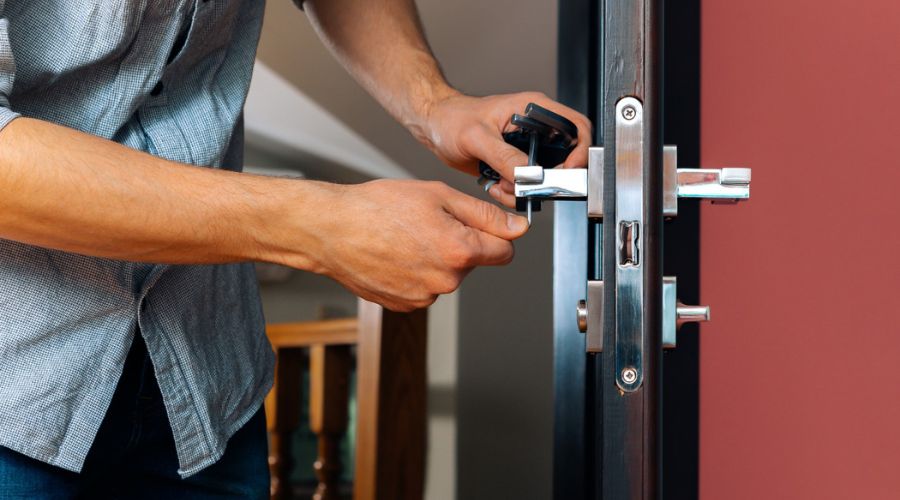
Rekeying changes the internal pin configuration of your existing lock so that old keys no longer work, while a new key operates the same hardware. This process costs less and takes less time, making it ideal when your lock’s body remains in good physical condition.
Replacing involves removing the entire lock and installing a brand-new unit. You should choose replacement when your existing hardware shows physical damage, uses outdated technology, or no longer matches your desired security level.
Our technicians at Astoria Locksmith & Door Inc. evaluate your hardware on-site and recommend whichever option delivers the best security for your budget. In many cases, rekeying handles routine situations like a move-in, while replacement suits scenarios involving damage or a major security upgrade.
Types of Locks and Their Typical Lifespan
Different lock types wear at different rates, and understanding these differences helps you plan ahead.
Standard pin tumbler locks typically last five to seven years under normal residential use. Exterior locks that face constant weather exposure wear faster than interior locks.
Smart locks and electronic locks often last just as long mechanically, but their electronic components may require battery replacement or firmware updates. You should also budget for occasional software-related service calls.
Deadbolts generally outlast standard locks because of their simpler, more robust design. A quality deadbolt can last seven to ten years with proper maintenance.
High-security locks, which include features like anti-pick pins and reinforced cylinders, offer the longest lifespan and the highest resistance to forced entry or lock-picking attempts.
Exterior doors facing the street — especially homes near busy corridors like Steinway Street or Broadway — endure more temperature swings, moisture, and daily use than interior doors. As a result, these locks often need attention sooner than the general timeline suggests.
Cost of Change Your Home Locks
Budget plays a major role in every homeowner’s decision, so let’s break down realistic costs.
DIY replacement costs range from $15 to $50 per lock for basic hardware purchased at a hardware store. However, DIY installation carries risk, since improper installation can compromise security rather than improve it.
Professional locksmith service typically ranges from $50 to $150 per lock, depending on the lock grade, the number of doors involved, and whether you choose smart lock features. While professional service costs more upfront, it guarantees proper installation and often includes a warranty.
Several factors affect final pricing: the number of doors you need serviced, the security grade you select, whether you add smart lock functionality, and how quickly you need the job completed. Astoria Locksmith & Door Inc. provides transparent, upfront pricing before any work begins, so you always know exactly what you’re paying for.
Tips to Extend the Life of Your Locks
You can extend your lock’s lifespan significantly with a few simple habits.
First, lubricate your locks every six months using graphite or a silicone-based lubricant, since this prevents internal components from grinding against each other. Second, avoid forcing a key that doesn’t turn smoothly; instead, call a professional before you snap a key inside the cylinder. Third, weatherproof exterior locks with weather stripping or a protective cover, since moisture accelerates rust and internal corrosion. Finally, invest in quality hardware upfront, because a higher-grade lock resists wear better and lasts considerably longer than a budget option.
Following these steps consistently protects your investment and reduces how often you need professional service.
Key Points About Chang Your Home Locks
- Replace standard locks every five to seven years for optimal security.
- Change locks immediately after moving into a new home.
- Rekey or replace locks right away after losing your keys.
- Update your locks following any break-in or attempted break-in.
- Change locks after a breakup, divorce, or roommate move-out.
- Revoke access by changing locks when a contractor or nanny no longer needs entry.
- Watch for rust, sticking keys, or a bolt that won’t fully engage.
- Choose rekeying for cost savings and replacement for damaged or outdated hardware.
- Expect deadbolts and high-security locks to outlast standard pin tumbler locks.
- Lubricate and weatherproof your locks regularly to extend their lifespan.
FAQs For Change Your Home Locks
How often should I change my home locks in Astoria, NY?
You should change your home locks every five to seven years under normal conditions. However, older homes near Astoria Park and throughout historic blocks often carry original hardware that predates modern security standards, so you should inspect these locks sooner and consider an upgrade if they show visible wear.
Is there a locksmith near me in Astoria that offers same-day lock changes?
Yes, Astoria Locksmith & Door Inc. provides same-day residential lock change and rekey service throughout Astoria, including areas near Steinway Street, Ditmars Boulevard, and Broadway. We understand that lockouts and security concerns can’t wait, so we prioritize fast response times for local homeowners.
Should I rekey or replace my locks after moving into an apartment near Kaufman Astoria Studios?
In most cases, rekeying works well for apartment moves, since the existing hardware is typically in good condition. Our technicians inspect the lock on-site and recommend rekeying or replacement based on the physical condition of the hardware, not just its age.
How much does it cost to change locks in Astoria, Queens?
Professional lock replacement in Astoria typically ranges from $50 to $150 per lock, depending on the security grade and whether you add smart lock features. Astoria Locksmith & Door Inc. always provides upfront pricing before starting any work, so you know the total cost in advance.
Do I need to change my locks after a break-in anywhere else in the neighborhood?
Yes, you should change your locks immediately after any break-in or attempted break-in, regardless of location. A compromised lock or damaged frame leaves your home vulnerable even after the immediate incident ends, so prompt replacement restores your security.
Can Astoria Locksmith & Door Inc. install smart locks for homes near Hell Gate Bridge?
Yes, we install and service smart locks throughout the entire Astoria area, including homes near Hell Gate Bridge and along the waterfront. We also provide ongoing support for battery replacement and firmware updates, ensuring your smart lock continues functioning reliably.
Final Thoughts
Changing your home locks isn’t just a maintenance task — it’s a fundamental part of protecting your family and your property. Follow the five-to-seven-year guideline as your baseline, but stay alert to the trigger events and warning signs that call for immediate action. Whether you live near Astoria Park, along Steinway Street, or anywhere else in this vibrant Queens neighborhood, proactive lock maintenance keeps your home genuinely secure.
Astoria Locksmith & Door Inc. stands ready to help with inspections, rekeying, replacements, and smart lock installation throughout Astoria, NY. Reach out today, and our team will assess your current hardware and recommend the right solution for your home and your budget.