

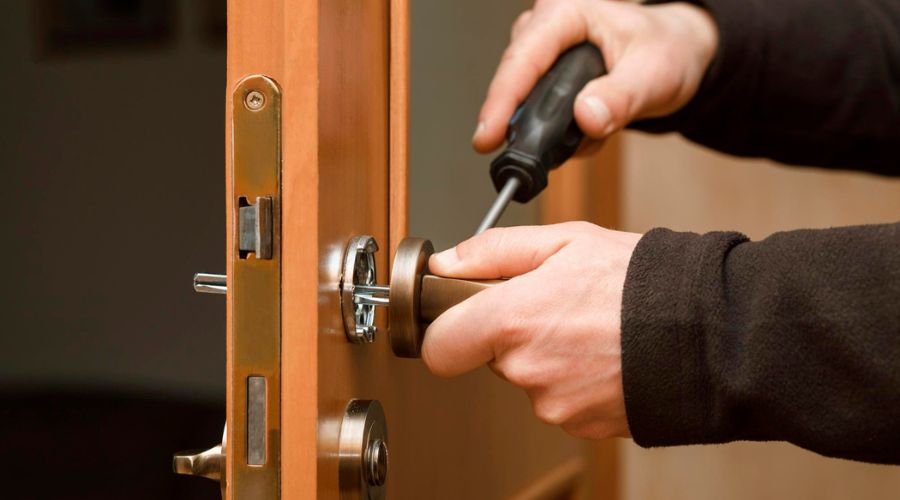
YouTube tutorials make lock picking look easy, and TikTok videos turn a jammed deadbolt into a thirty-second fix. But real locks rarely behave like the ones in viral clips. At Astoria Locksmith & Door Inc., we meet homeowners across Astoria, Queens every week who tried a DIY fix first and called us only after the situation got worse. This guide breaks down the real DIY Locksmithing Risks, explains when a repair is safe to attempt, and shows you exactly when to pick up the phone instead of the pick set.
Why DIY Locksmithing Tempts So Many People
Saving money feels good, and a lock that won’t turn feels like a simple mechanical puzzle. Online tutorials promise quick fixes, and hardware stores sell pick sets to anyone who walks in. However, a lock is a precision security device, not a puzzle toy, and small mistakes create big consequences. Astoria Locksmith & Door Inc. wants residents near Astoria Park, Steinway Street, and Ditmars Boulevard to understand these risks before they reach for a screwdriver.
The Physical Safety Risks
DIY lock work injures people more often than most realize. Tension wrenches slip and jab fingers, picks snap and fly toward the face, and drills kick back unexpectedly when they bite into hardened steel. Anyone attempting to drill out a lock without proper technique risks metal shavings hitting their eyes or hands.
Smart locks add another layer of danger. Wiring a smart lock incorrectly can cause a short circuit, and mishandling batteries near exposed contacts creates a real fire risk. Professional locksmiths train for these hazards, but DIYers usually learn about them the hard way.
Property Damage You Might Not Anticipate
A failed DIY attempt rarely stays contained to the lock itself. Forcing a stuck cylinder often bends the pins beyond repair, and prying at a stubborn deadbolt frequently splinters the door frame around it. Once that happens, you’re no longer paying for a simple lock repair — you’re paying to replace the entire door assembly.
Consider the cost difference. A professional lock repair typically costs a fraction of a full door and frame replacement. When a DIY attempt goes wrong, homeowners often end up spending more than they would have spent calling a locksmith in the first place.
The Hidden Security DIY Locksmithing Risks
A lock that turns again after a DIY fix doesn’t necessarily protect your home. Reassembling a pin tumbler lock incorrectly can leave gaps that any amateur burglar exploits within seconds. Similarly, mismatched springs or misaligned pins reduce a lock’s security rating without any visible warning sign.
This creates a dangerous illusion. You believe your door is secure, yet the lock actually offers far less resistance than it did before your repair attempt. Astoria Locksmith & Door Inc. sees this scenario often, especially in older brownstones near Broadway and 30th Avenue, where original hardware is delicate and easy to misalign during a DIY repair.
Legal Gray Areas Around DIY Locksmithing Risks
Lock-picking tools occupy a legal gray zone in many states, and possession rules vary by jurisdiction. While owning a pick set is generally legal for personal property, using one on a lock you don’t own — even accidentally, such as a shared building entrance — can create legal complications.
Insurance adds another layer of risk. Many homeowner and renter policies require professional installation or repair documentation for security systems. If a DIY modification causes damage, or worse, enables a break-in, your insurer may deny the claim entirely because the work wasn’t performed by a licensed locksmith.
Landlords and business owners face even higher stakes. If a tenant or employee gets locked out — or locked in — because of a DIY lock modification, liability questions become far more serious.
When the “Savings” Aren’t Real
DIY locksmithing promises savings, but those savings often disappear quickly. A pick set, a tension wrench, replacement pins, and instructional materials add up in cost, and that’s before factoring in wasted time. Most DIYers spend hours troubleshooting a problem that a licensed locksmith solves in twenty minutes.
Worse, many DIY attempts end with a call to a professional anyway — except now the locksmith must fix both the original problem and the damage caused by the failed attempt. That combination costs significantly more than calling Astoria Locksmith & Door Inc. from the start.
High-Risk Scenarios You Should Never DIY
Some situations carry too much risk for a DIY approach, regardless of your confidence level.
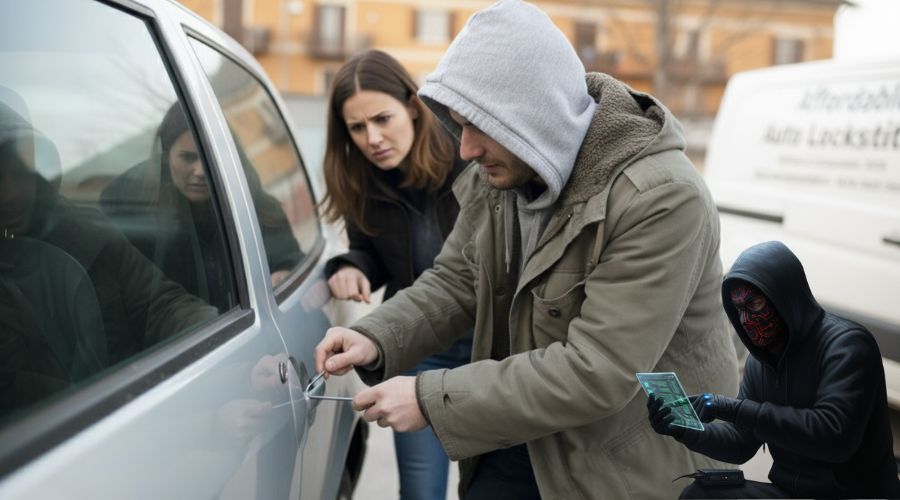
- Emergency lockouts: Whether you’re locked out of your car near Astoria Park or locked out of your apartment near Hell Gate Bridge, rushed attempts under stress lead to broken keys and damaged cylinders.
- Smart locks and electronic access systems: These combine mechanical and electrical components, and mistakes can disable both simultaneously.
- Safes and high-security commercial locks: These devices use complex mechanisms specifically designed to resist tampering, including your own.
- Antique or specialty locks: Many older Astoria homes still feature original hardware, and replacement parts for these locks are rare or nonexistent once damaged.
What’s Actually Safe to DIY
Not every lock task requires a professional, and Astoria Locksmith & Door Inc. always encourages responsible self-maintenance when it’s genuinely safe.
- Lubricating a sticky lock with graphite or silicone-based lubricant typically resolves minor stiffness.
- Replacing batteries in keypad locks follows a straightforward process outlined in most manufacturer manuals.
- Tightening a loose strike plate with a screwdriver is a quick, low-risk fix that improves door alignment.
These tasks involve minimal mechanical complexity, so they rarely cause damage even when performed imperfectly.
Signs You Should Stop and Call a Locksmith
Certain warning signs indicate it’s time to step away and call a professional immediately.
- The lock won’t turn at all after your attempt.
- A key breaks off inside the cylinder.
- The lock turns, but the door doesn’t fully latch or lock.
- You notice metal shavings, bent components, or visible misalignment.
Continuing past these warning signs almost always increases both the cost and the damage.
Key Points to Remember About DIY Locksmithing Risks
- DIY lock picking causes more physical injuries than most people expect, from tool slips to eye injuries.
- Forcing a stuck lock frequently damages the door frame, not just the lock itself.
- Incorrect reassembly can quietly weaken your home’s security without any visible sign.
- Insurance claims may be denied if DIY modifications caused or contributed to a break-in.
- Lock-picking tool legality varies by location, so understanding local rules matters.
- DIY repair costs add up quickly once you factor in tools, time, and repeat attempts.
- Emergency lockouts are the worst time to attempt an unfamiliar DIY fix.
- Smart locks combine electrical and mechanical risk, making DIY repairs riskier than standard locks.
- Simple maintenance tasks, like lubrication and battery replacement, remain safe to DIY.
- Astoria Locksmith & Door Inc. recommends calling a professional the moment a lock stops responding correctly.
Why Astoria Residents Trust Local Professionals
Astoria’s mix of prewar apartment buildings, converted brownstones, and modern developments near Kaufman Astoria Studios means no two locks behave exactly the same way. A technique that works on a newly installed deadbolt near Museum of the Moving Image might fail completely on a decades-old lock a few blocks away near Socrates Sculpture Park. Astoria Locksmith & Door Inc. understands these neighborhood-specific differences because our team works on them daily, and that local expertise consistently prevents the mistakes that DIY attempts commonly cause.
FAQs: DIY Locksmithing Risks
Is it legal to own lock-picking tools in New York?
Yes, owning lock-picking tools is generally legal in New York for personal property use. However, using these tools on property you don’t own, or possessing them with intent to commit a crime, can lead to legal consequences. If you’re unsure about a specific situation, Astoria Locksmith & Door Inc. can advise you on safe, legal alternatives to DIY lock work.
Can a locksmith in Astoria fix a lock I already damaged trying to repair it myself?
In most cases, yes. Astoria Locksmith & Door Inc. regularly repairs locks that homeowners damaged during DIY attempts. The repair cost depends on how much damage occurred, so it’s best to stop attempting further fixes and call a professional as soon as you notice the lock isn’t responding properly.
How much does a locksmith cost in Astoria, NYC compared to DIY tools?
Professional locksmith service in Astoria typically costs less than the combined price of pick sets, replacement hardware, and the wasted time spent troubleshooting a failed DIY attempt. Calling Astoria Locksmith & Door Inc. directly often saves money compared to a DIY approach that ends in a service call anyway.
What should I do if I’m locked out near Astoria Park or Steinway Street right now?
Stay calm and avoid forcing the lock, since panic-driven attempts often cause the most damage. Contact a local, licensed locksmith like Astoria Locksmith & Door Inc. for fast emergency lockout service rather than attempting a rushed DIY fix under stress.
Are smart locks riskier to DIY repair than traditional deadbolts?
Yes, smart locks combine mechanical and electrical components, so a DIY mistake can disable both systems at once. Astoria Locksmith & Door Inc. recommends professional installation and repair for all smart lock systems to avoid voiding warranties or creating electrical hazards.
Does homeowners insurance cover damage caused by DIY lock repairs?
Coverage varies by policy, but many insurers deny claims related to break-ins or damage linked to unlicensed DIY security modifications. Reviewing your policy and using a licensed locksmith like Astoria Locksmith & Door Inc. for any lock repair helps protect your insurance coverage.
What locksmith services does Astoria Locksmith & Door Inc. offer for Astoria residents?
Astoria Locksmith & Door Inc. offers lock repair, rekeying, smart lock installation, emergency lockout assistance, and door hardware services throughout Astoria, Long Island City, and the greater Queens area. Our team understands the unique lock types found in Astoria’s older buildings and newer developments alike.
Conclusion: DIY Locksmithing Risks
DIY locksmithing isn’t inherently reckless, and plenty of simple maintenance tasks remain perfectly safe to handle yourself. However, once a lock resists your attempts, shows signs of damage, or involves complex mechanisms like smart locks or safes, continuing the DIY approach introduces real risk to your safety, your property, and your security.
Astoria Locksmith & Door Inc. encourages every Astoria resident to know that line and to call a licensed professional the moment a DIY fix starts feeling uncertain. A quick call often saves far more money, time, and stress than a failed repair attempt ever could. Need immediate assistance? Contact us now for fast and reliable emergency locksmith services in Astoria and nearby NYC areas.